Ho ascoltato musica da sempre. Da bambino la musica classica che girava per casa, poi i primi cantautori e la musica inglese portata da mia sorella più grande. Ho studiato il piano da piccolo, stufandomi però ben presto per via dell’odiato solfeggio. Poi, da autodidatta, ho iniziato a suonare la chitarra con la quale passavo ore a improvvisare sui brani che passavano per radio. E poi sono tornato al piano come strumento preferito di improvvisazione. Insomma ho subito nel tempo infinite influenze musicali: se dovessi fare un elenco delle cose che più mi hanno segnato, non perché ora le ritenga fondamentali, ma perché mi hanno profondamente segnato nel momento in cui ne sono entrato in contatto, sarebbe un elenco un po’ bislacco…
Le arie famose di Wagner, Paul Duka, il primo Gaber, le Fiabe sonore (perché no?!), e poi i grandi… Tubular Bells (ne parlo diffusamente poi), De Andre, Dylan, Rock Bottom, i Genesis, gli Yes, gli Who, i King CRimson, e poi il Koln Concert di Jarrett, i Weather Report, e poi Miles Davis, Ricochet, Klaus Schulze, Music for Airports, Music for 18 musicians, Pat Metheny col suo First Circle… sono tutti musicisti di grande spessore culturale.
Solo nella maturità ho riscoperto Bach e Handel, che considero due geni inarrivabili.
La musica elettronica è arrivata verso la fine degli anni ’70 quando, dopo l’esperienza come chitarrista nel gruppo comasco dei Galassia 3, ritornato a Torino, ho cominciato a frequentare il corso di Musica Elettronica al Conservatorio con il Maestro Zaffiri (uno dei veri pionieri della musica elettronica in Italia). Qui ho imparato l’uso dei sintetizzatori analogici a sintesi sottrattiva (ARP 2600, Minimoog, EMS Vcs3), il trattamento e la manipolazione del segnale, e le fondamentali tecniche di composizione elettronica. Lo studio disponeva in quegli anni di sintetizzatori all’avanguardia: Minimoog, ARP 2006, ARP Odyssey, EMS AKS Synthi A; e di molte altre apparecchiature per il trattamento del segnale: Registratori Revox, banco di mixaggio, microfoni, ed equalizzatori. Così imparai molto anche di tecniche di registrazione e trattamento del segnale, nonché l’acustica. Nel 1986 lo studio disponeva addirittura di uno dei primissimi Fairlight in Italia.
Dal 1981 al 1985 ho fatto parte dello S.M.E.T. (Studio di Musica Elettronica di Torino) con altri musicisti come Paolo Chiotasso, Ennio Calcagno, Marco Vacchetti, Tony Serina e Andrea Pavonibelli, continuando lo stile e la scuola del Maestro Zaffiri.
Dal 1979 ad oggi, ho prodotto un certo numero di opere, dapprima improntate alla più rigorosa sperimentazione elettronica (seppur con velate influenze rock), quindi più assimilabili ad uno stile originale di musica d’autore adatto anche ad uso di commento per immagini.
Tutte le mie musiche sono depositate presso la SUISA che ne garantisce la protezione dei diritti d’autore.
I’ve been surrounded by music for as long as I can remember. As a child it was classical music filling the house, then the first Italian songwriters, and the English records my older sister brought home. I started studying piano early on, but quickly grew tired of the dreaded solfège. Later I taught myself guitar and spent hours improvising over whatever was playing on the radio, only to eventually return to the piano, which became my favourite instrument for improvisation.
Over the years, countless influences have shaped me. If I listed the works that left the strongest mark—not because they’re essential today, but because of how deeply they struck me at the time—it would be quite an eccentric mix: Wagner’s famous arias, Paul Dukas, early Gaber, the old Fiabe Sonore stories, and then the greats… Tubular Bells, De André, Dylan, Rock Bottom, Genesis, Yes, The Who, King Crimson. Later came Jarrett’s Köln Concert, Weather Report, Miles Davis, Ricochet, Klaus Schulze, Music for Airports, Music for 18 Musicians, Pat Metheny’s First Circle—artists with remarkable cultural depth.
Only as an adult did I rediscover Bach and Handel, whom I now consider two incomparable geniuses.
My journey into electronic music began in the late ’70s. After playing guitar with the Como-based band Galassia 3, I returned to Turin and enrolled in the Electronic Music course at the Conservatorio, studying under Maestro Zaffiri—one of Italy’s true pioneers in the field. There I learned to work with analog subtractive-synthesis instruments (ARP 2600, Minimoog, EMS VCS3), signal processing and manipulation, and the core techniques of electronic composition. The studio was equipped with cutting-edge gear for the time: Minimoog, ARP 2006, ARP Odyssey, EMS AKS Synthi A, plus Revox tape recorders, mixers, microphones and equalizers. I also gained a strong footing in recording techniques and acoustics. By 1986, the studio even had one of the first Fairlights in Italy.
From 1981 to 1985 I was part of S.M.E.T. (Turin Electronic Music Studio) alongside Paolo Chiotasso, Ennio Calcagno, Marco Vacchetti, Tony Serina and Andrea Pavonibelli, continuing the tradition and style of Maestro Zaffiri.
Since 1979 I’ve produced a number of works, first rooted in pure electronic experimentation (with subtle rock influences), and later evolving into an original, more narrative musical style, often suitable for pairing with images.
All my music is registered with SUISA, which protects my copyright.
Opere giovanili:
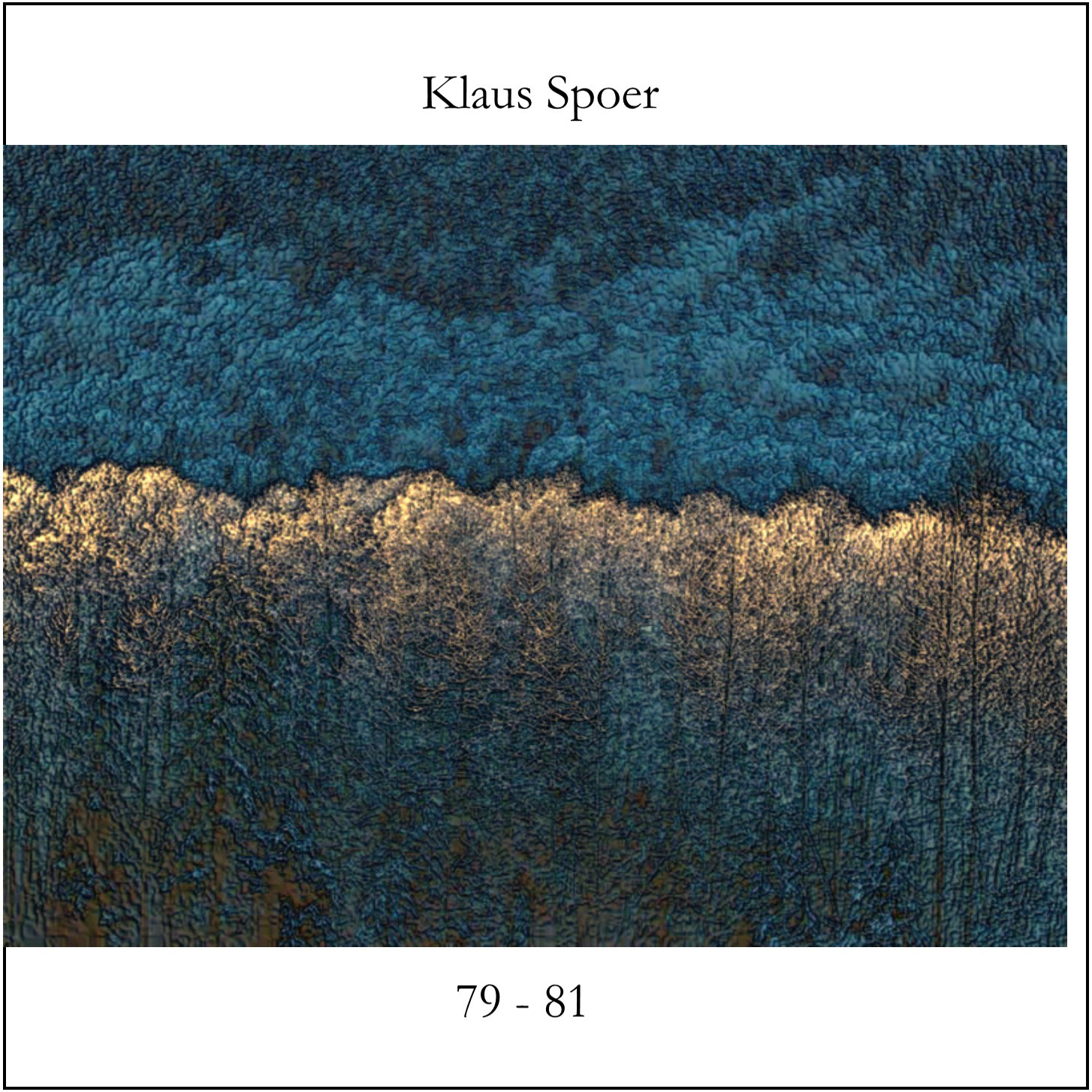
Klaus 79-81 (1981)
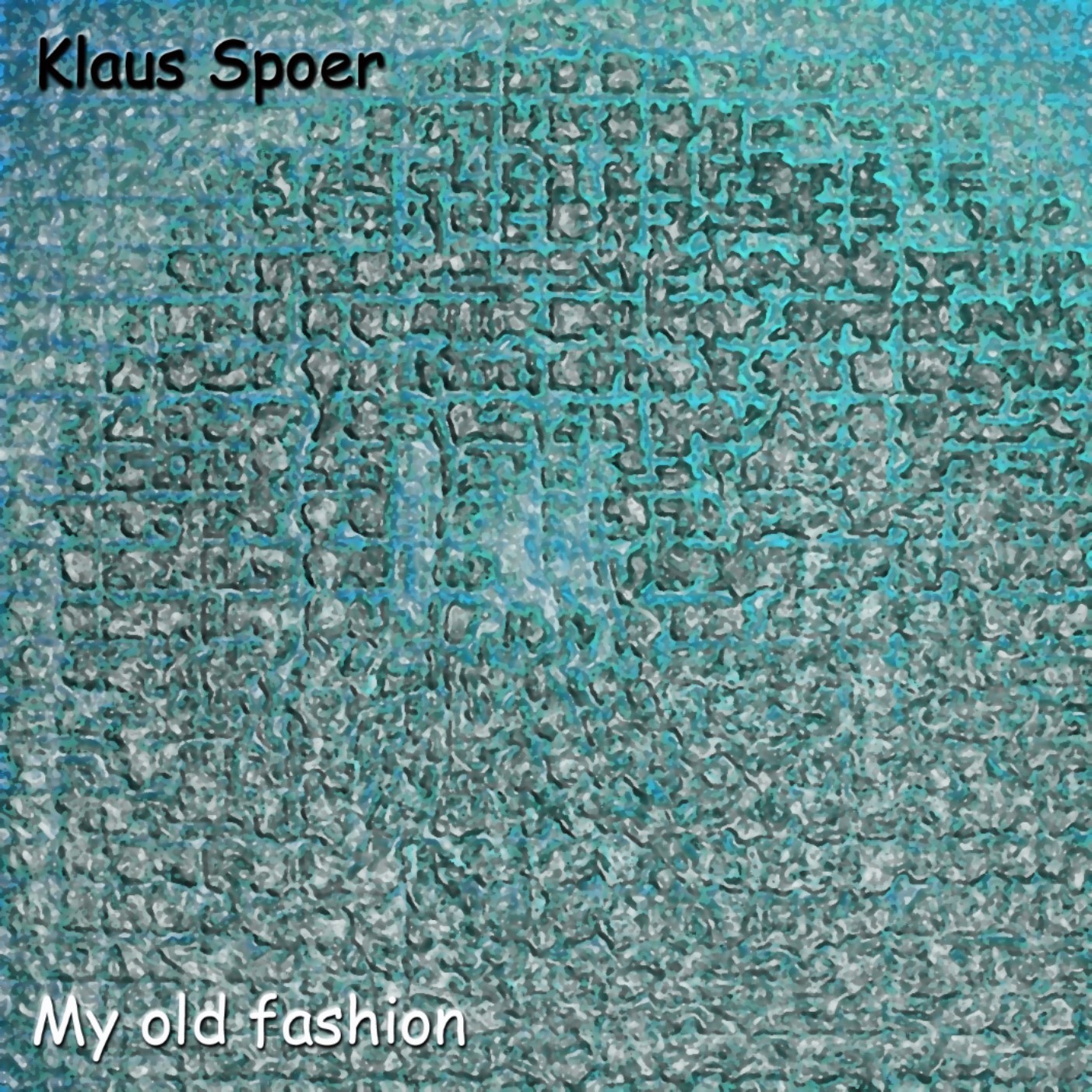
My old fashion (1981)
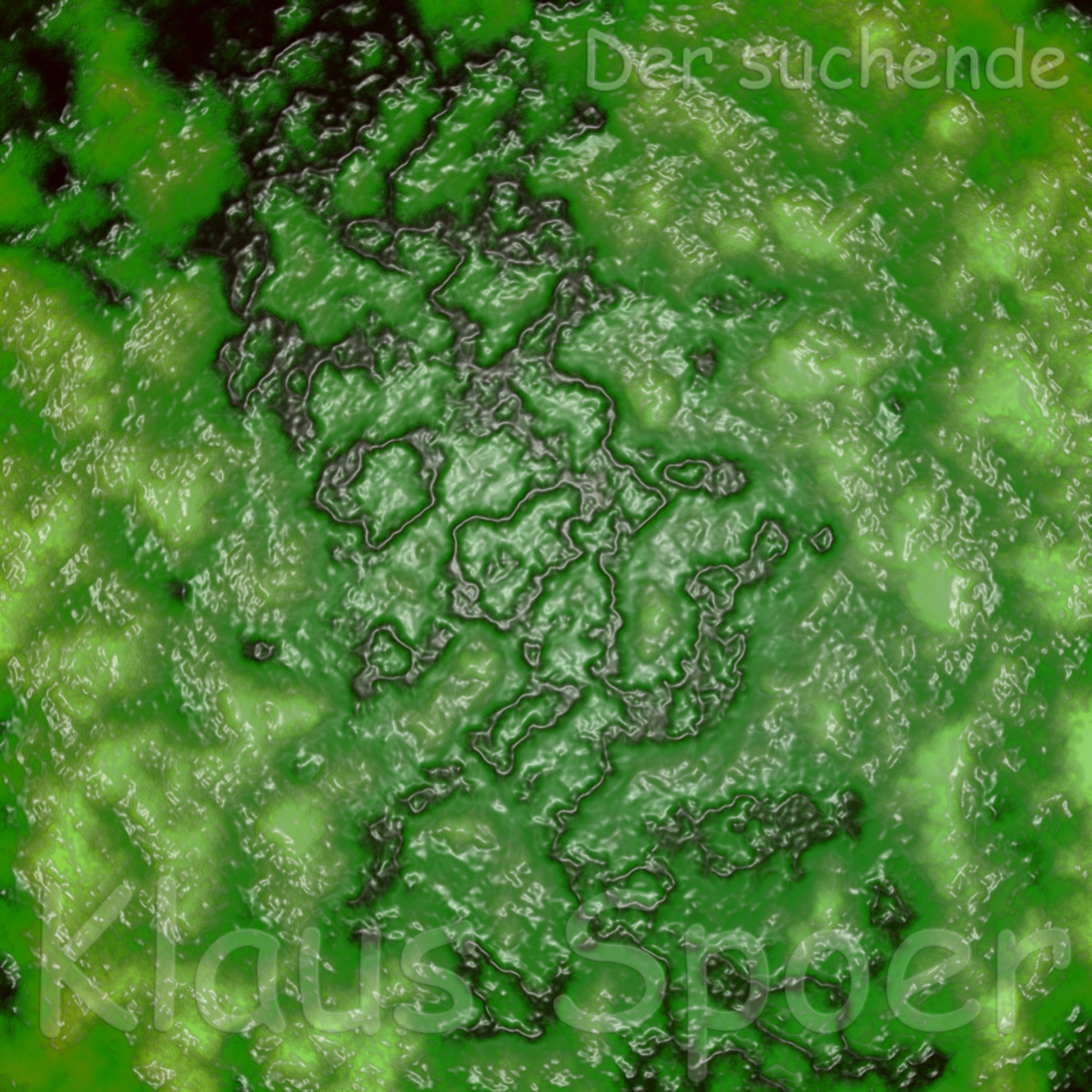
Der Suchende (1982)
Opere della maturità:
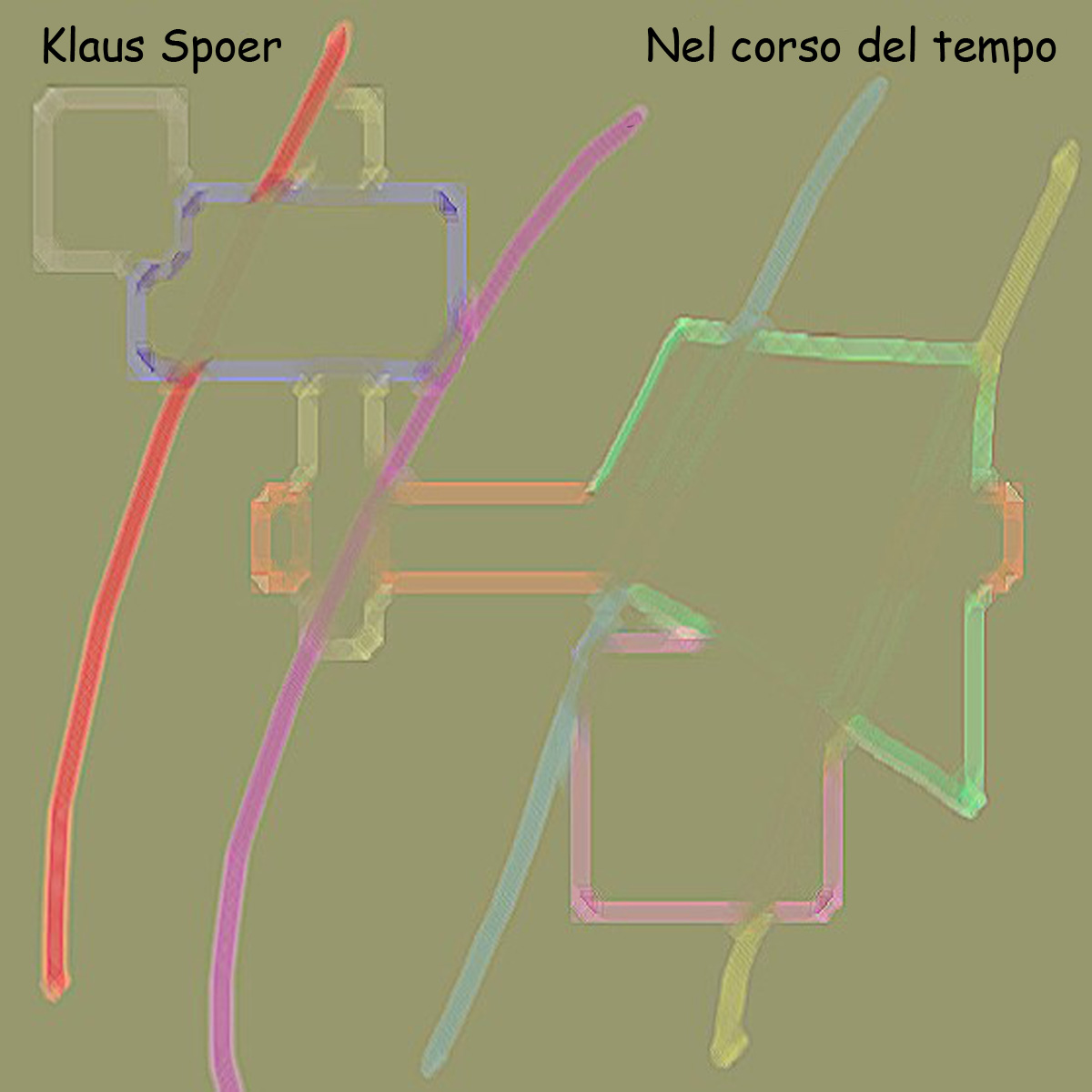
Nel corso del tempo (1984)
L’alternativa al cielo (1988)
‘900 (1994)
Il mondo dispari (2010)
Il lago (2017)
Millennium (2020)
Rewind (2025)
Rewind 2 (2025)
Il disincanto (2026)
Tutte le mie musiche sono registrate alla SUISA (società svizzera degli autori)